
All DexaFit Blog Posts
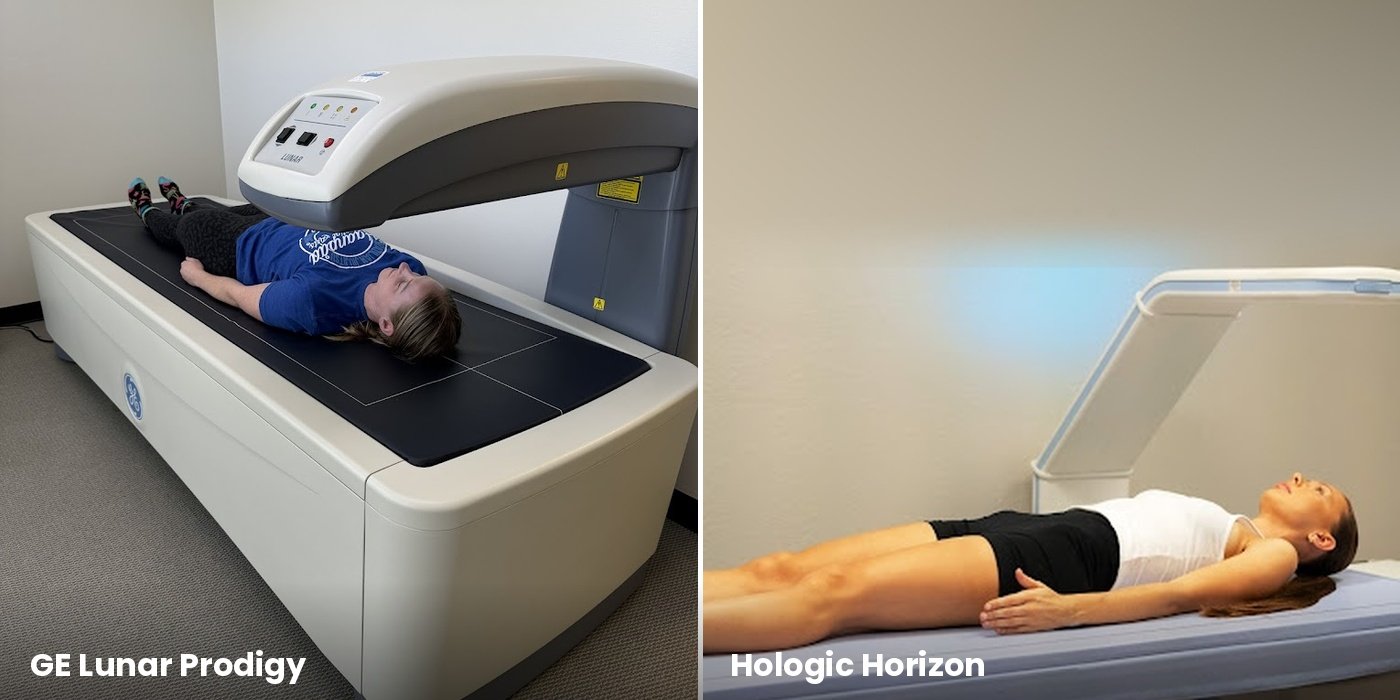
Your DEXA results are more consistent across locations than you think—if you know what to look for. Here's the data on what changes, what doesn't, and the one question that tells you everything.
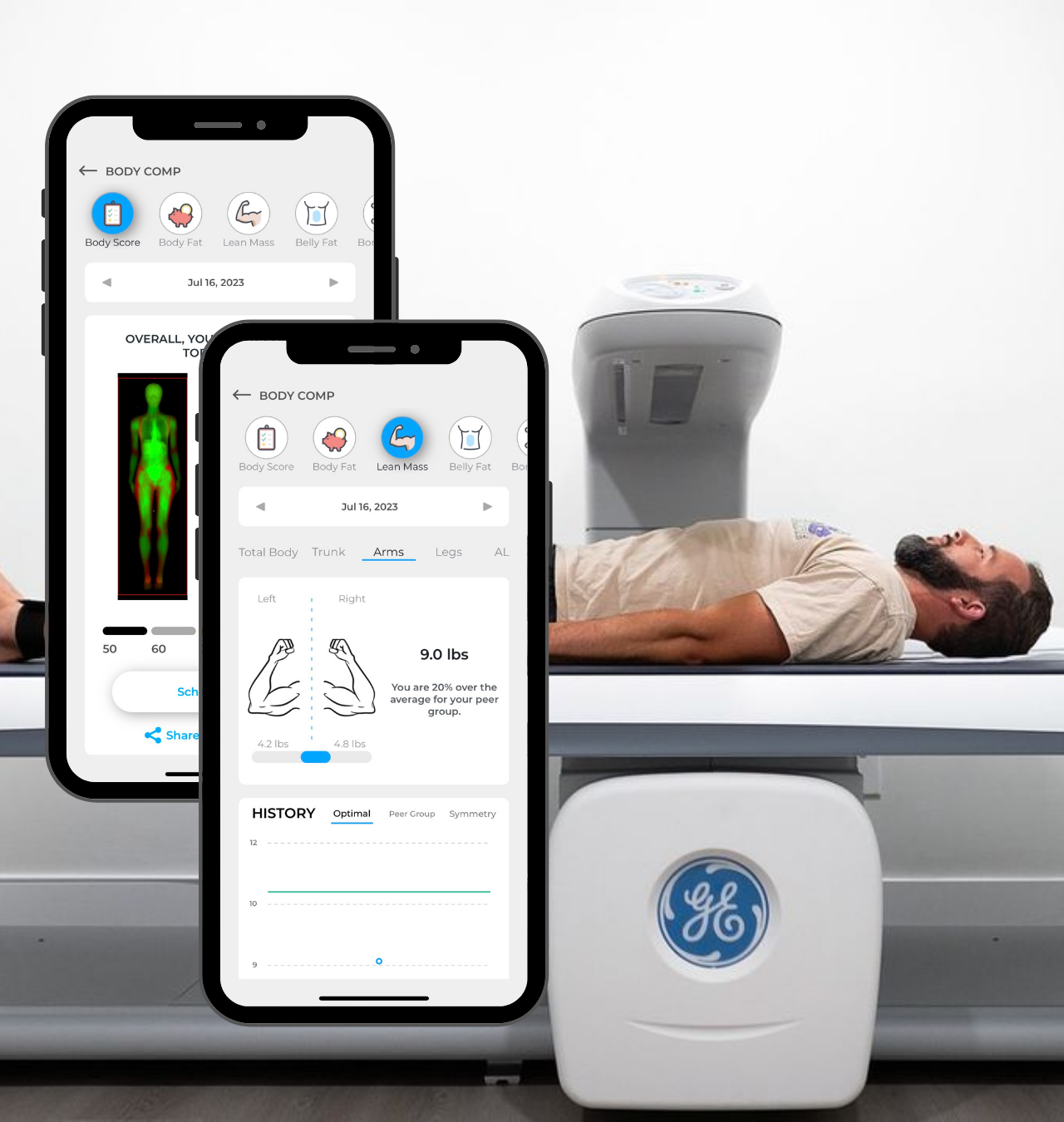
En 2025, DexaFit a suivi des données réelles de suivi à travers un réseau mondial afin de voir ce qui change réellement lorsque les gens cessent de deviner et commencent à mesurer. Les résultats révèlent des tendances claires en matière de graisse corporelle, de graisse viscérale, de masse maigre, de densité osseuse et de VO₂ max, et montrent ce qui est réellement possible lorsque les progrès sont mesurés et non supposés.
60 Minutes a mis en avant la médecine de la longévité, soulignant que des outils tels que les scanners DEXA et les tests VO₂ Max sont essentiels pour développer la force, la santé et la résilience. Depuis plus d'une décennie, DexaFit aide les gens à accéder à ces mêmes tests basés sur des données afin de comprendre leur corps et de s'entraîner pour une vie plus longue et plus saine.

Les mitochondries, véritables moteurs cellulaires de votre corps, alimentent chaque battement de cœur, chaque pensée et chaque mouvement. Avec l'âge, leur nombre et leur efficacité diminuent, tandis que les anomalies (hétéroplasmie) augmentent. Ce déclin mitochondrial épuise l'énergie, ralentit la récupération et augmente le risque de maladie. L'entraînement et le suivi de la VO₂ max peuvent les préserver et les reconstruire.

Un VO₂ Max supérieur à 90 ml/kg/min est extrêmement rare, observé chez des athlètes tels que Bjørn Dæhlie (96) et Oskar Svendsen (97,5). La génétique, un volume systolique important, des capillaires denses et des années d'entraînement aérobie intense convergent. Un VO₂ Max élevé est important, mais l'efficacité et l'utilisation fractionnée (ratio Redline) définissent la performance soutenue.

L'eau métabolique est produite à l'intérieur de vos mitochondries chaque fois que l'oxygène rencontre l'hydrogène à la fin de la chaîne de transport des électrons. Cette eau pure, appauvrie en deutérium, hydrate les cellules de l'intérieur, alimente les enzymes et la réparation, et s'adapte à la VO₂ Max. Entraîner votre système aérobie signifie entraîner l'approvisionnement en eau de votre corps.

La VO₂ max définit votre plafond aérobie, mais la performance ne dépend pas uniquement de la consommation d'oxygène. Les résultats en matière d'endurance sont déterminés par trois leviers : le plafond (VO₂ max), la fraction utilisable (seuil/ratio Redline) et le coût (économie/efficacité). Ensemble, ils dictent la vitesse ou la puissance que vous pouvez réellement maintenir.

Heteroplasmy—the fraction of mutated mitochondrial DNA—acts as a true clock of aging. As defective genomes rise, oxidative capacity, VO₂ Max, and metabolic water production fall. Crossing threshold levels disrupts gradients, accelerates decline, and raises disease risk. Training and light can reshape the mitochondrial pool.

Lactate isn’t just “the burn.” It’s both a marker of rising intensity and a valuable fuel. By pairing lactate thresholds (LT1/LT2) with ventilatory thresholds (VT1/VT2), athletes can define training zones, target the right systems, and improve performance through smarter, more efficient workouts.

Repeat-sprint ability (RSA) defines how well athletes sustain explosive efforts with short recoveries. VO₂ Max doesn’t set sprint speed but drives recovery—faster PCr recharge, quicker clearance, and less drop-off late in games. Elite performance blends aerobic capacity with targeted RSA training.

Low VO₂ Max is a stronger predictor of early death than smoking, diabetes, or hypertension. Massive studies show every small increase in VO₂ Max lowers mortality risk, with no upper limit to the benefits. For independence, aim for ~20 ml/kg/min; for longevity protection, 40+ is the sweet spot.

VO₂ Max isn’t just about performance—it’s your aerobic reserve. Higher VO₂ Max improves recovery from illness, surgery, and stress by providing more energy for immune function, healing, and rehab. Patients with higher VO₂ Max have fewer complications, shorter hospital stays, and better outcomes.

VO₂ Max naturally declines with age—about 10% per decade after 30. But research shows that 50–70% of this decline is preventable with consistent aerobic training. Zone 2 and Zone 4 workouts can preserve heart function, mitochondria, and muscle, keeping VO₂ Max above the independence threshold (20 ml/kg/min) well into later decades. In other words, aging lowers your ceiling—but training decides how steep the slope gets.

VO₂ Max is a vital sign that predicts health, longevity, and resilience better than blood pressure, heart rate, or glucose. It’s measurable, repeatable, actionable, and trainable. High VO₂ Max offsets disease risk, supports recovery, and shows how much aerobic reserve you truly have—treat it like your body’s foundation.

VO₂ Max isn’t just about endurance—it’s brain insurance. Higher VO₂ Max boosts cerebral blood flow, preserves hippocampal volume, and lowers dementia risk. Discover how aerobic training strengthens neuroplasticity, slows decline, and sustains mental sharpness for life.

Improve your VO₂ Max with a 3-part protocol: Zone 2 training to build your aerobic base, high-intensity intervals to raise your ceiling, and structured recovery to integrate gains. Timing, circadian-aligned light exposure, and mitochondrial signaling are key for lasting aerobic capacity and longevity.

Zone 2 training is the underrated foundation of endurance and longevity. It’s slow, steady exercise where your body burns fat efficiently, mitochondria multiply, lactate stays low, and recovery accelerates. This metabolic gear expands VO₂ Max, improves insulin sensitivity, and builds capacity that lasts.

VO₂ Max intervals are 3–5 minute efforts at 90–105% of your max heart rate—the sweet spot where oxygen delivery, extraction, and cardiac power are stressed most. Backed by research, these Zone 4 workouts raise your ceiling, expand VO₂ Max, and deliver the strongest longevity benefits of any training method.
Redline Ratio shows how much of your VO₂ Max you can actually sustain before fatigue. A high ratio means you access more of your aerobic engine efficiently, improving endurance, pacing, and resilience. Build VO₂ Max first, then train VT2 to raise your Redline Ratio for maximum performance.

VO₂ Max plateaus aren’t always about effort—they often signal mismatched training, poor recovery, circadian disruption, or skipping foundational Zone 2 work. Track Redline Ratio to see if you’re efficiently using your aerobic ceiling. Stabilize signals, recover well, and rebuild from the base to resume progress.

What is VO₂ Max?
VO₂ Max is the maximum amount of oxygen your body can use in one minute per kilogram of body weight (ml/kg/min). It measures how well your lungs, heart, blood, and cells work together to deliver and use oxygen for energy. A higher VO₂ Max means better cardiovascular fitness, more endurance, faster recovery, and lower risk of disease and early death.

What is the history of VO₂ Max?
VO₂ Max was first described in the 1920s by physiologist A.V. Hill, who discovered a limit to the body’s oxygen use during intense exercise. Initially used to study elite athletes, it later became a key clinical metric linking cardiorespiratory fitness to longevity and disease risk.

VO₂ Max is the most powerful fitness metric for predicting longevity—outperforming steps, heart rate, and calorie burn. While wearables offer estimates, only lab-tested VO₂ Max reveals your true cardiovascular and metabolic capacity. Here’s how it compares to other health measures and when to combine them.
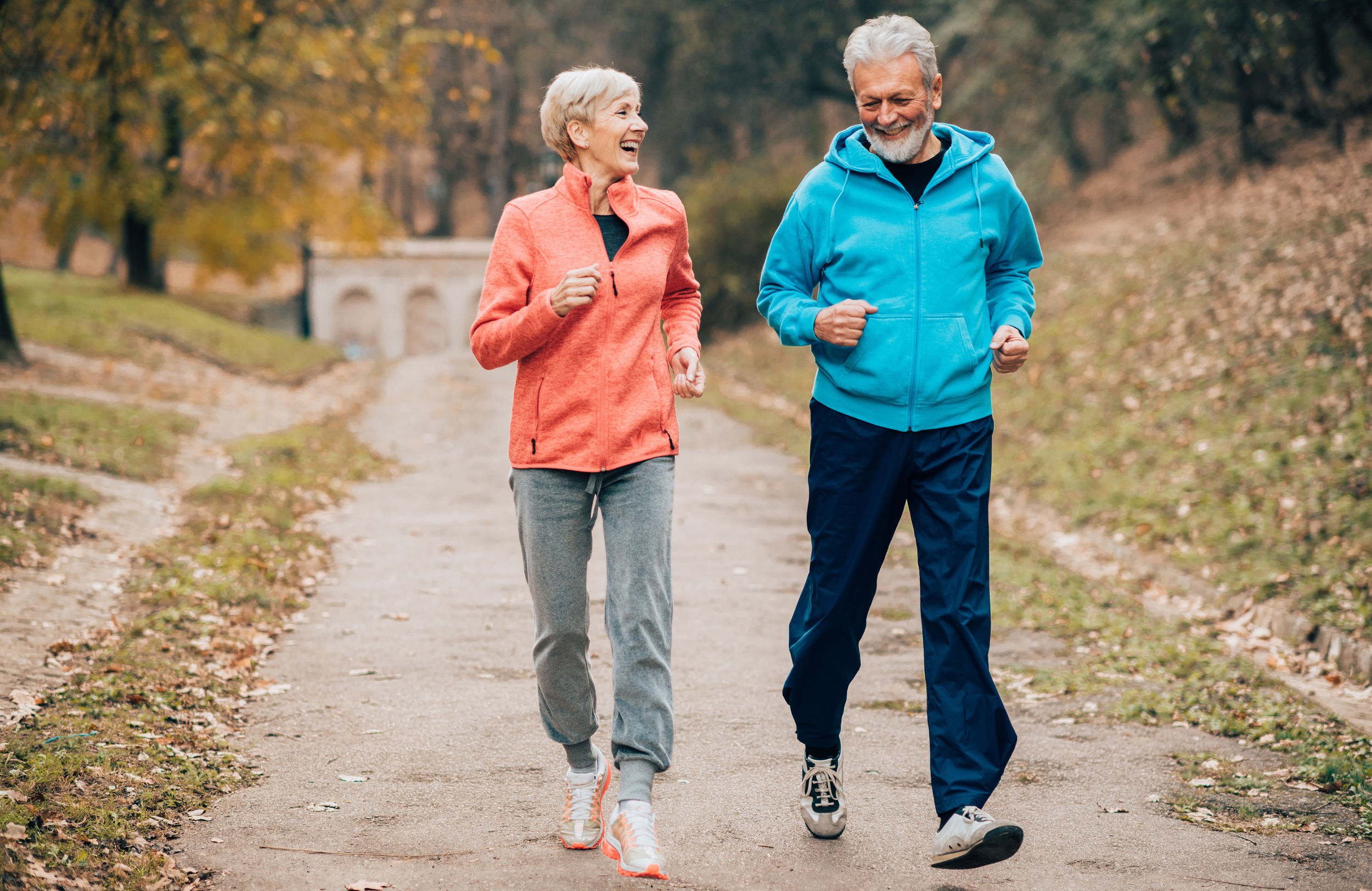
VO₂ Max naturally declines about 10% per decade after age 30—but most of that drop isn’t genetic. Sedentary habits, not time, drive the loss. With targeted training, strength work, and sunlight-driven circadian alignment, you can slow—or even reverse—VO₂ Max decline and preserve lifelong aerobic capacity.

VO₂ Max, VO₂ Peak, and VO₂ Reserve aren’t the same. Only VO₂ Max—confirmed by an oxygen plateau in a clinical test—predicts longevity. VO₂ Peak is your highest effort that day, while VO₂ Reserve is a rehab tool. Here’s how to tell if your “VO₂ Max” is real or just an estimate.

VO₂ Max isn’t just about willpower—it’s a measure of mitochondrial density, efficiency, and resilience. These ancient cellular engines turn oxygen into energy, and more mitochondria mean higher VO₂ Max, better recovery, slower aging, and longer life. You can build them with targeted training, light, and lifestyle alignment.
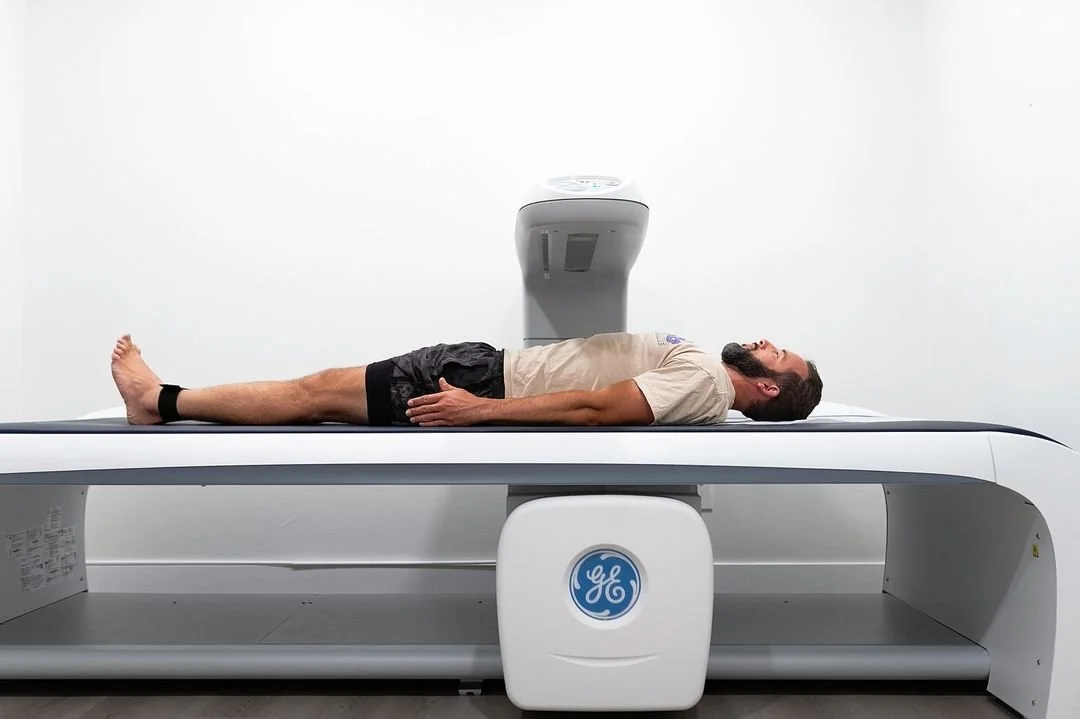
How does a DEXA scan know exactly how much fat, muscle, and bone you have? In this blog, we break down the science behind one of the most advanced health tools available today.
Learn why DEXA outperforms methods like BMI and smart scales, how it creates a pixel-by-pixel map of your body, and how it measures dangerous visceral fat.
We’ll also cover what the scan actually feels like, what makes it so precise, and why it’s a trusted tool in medical clinics, research labs, and elite sports centers.
Whether you're tracking fat loss, optimizing performance, or focused on aging strong — this is your full guide to understanding what you're really made of.

NASA’s $125M mistake proves why precision matters—especially in health. DexaFit’s AI-driven system integrates VO₂ max, visceral fat, muscle quality, and more, giving you a clear, science-backed foundation for optimizing your health. Instead of relying on isolated data points, DexaFit connects the dots—validating your fitness, nutrition, and wellness decisions with real, measurable outcomes. Discover how our cutting-edge approach helps you track progress with confidence and build long-term resilience. Your health deserves the gold standard. Learn more today!

History holds valuable lessons for our health today. While Washington and Lincoln thrived on active lifestyles and whole foods, we now face a different challenge—chronic conditions driven by modern habits. The good news? We no longer have to rely on guesswork. DexaFit combines time-tested wisdom with cutting-edge science, offering DEXA scans, metabolic testing, and VO2 max assessments to help you optimize your health with precision. Discover how data can validate and enhance the practices that have kept humans resilient for centuries. Your body holds the answers—DexaFit helps you uncover them.

Unlock the secret to optimizing your fitness with VO₂ Max, a key indicator of endurance and longevity! Our blog explores the evolution of exercise intensity, from traditional methods to cutting-edge research. Discover how the DexaFit ai™ four-zone approach enhances VO₂ Max, boosts performance, and offers a more flexible, effective training strategy for lasting health and vitality.